
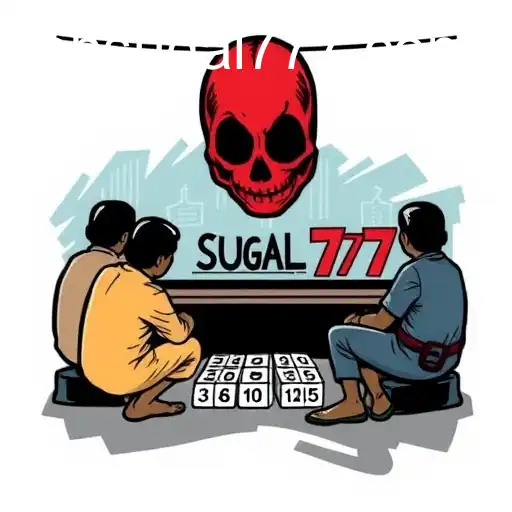
SUGAL777 | Understanding Jueteng: A Cultural and Economic Phenomenon
SUGAL777’s An in-depth exploration of Jueteng, a notorious numbers game in the Philippines, its cultural implications, and its socio-economic impact.
Understanding Jueteng: A Cultural and Economic Phenomenon
Introduction to Jueteng
Jueteng is a widely recognized numbers game in the Philippines, characterized by its underground operations and significant cultural presence. Originating during the Spanish colonial period, Jueteng has persisted as an informal betting activity despite numerous government crackdowns. Its allure lies in its simplicity and cultural integration, making it a staple form of entertainment and livelihood for many Filipinos.
The Mechanics of Jueteng
At the heart of Jueteng is a simple betting process. Players choose a combination of numbers, usually between one and thirty-seven. These numbers are then drawn twice daily, with bets typically ranging from a few pesos to larger sums. The appeal of Jueteng partly stems from its low entry barrier, allowing even those with limited financial means to participate. This accessibility is a double-edged sword, contributing both to its widespread popularity and its exploitation by illegal syndicates.
The Role of SUGAL777
In the realm of Jueteng, SUGAL777 emerges as a significant player, often serving as a code or name associated with betting syndicates or online platforms that mirror the traditional Jueteng structure. While direct involvement with SUGAL777 might not always be publicized, its presence is indicative of the evolving nature of Jueteng as it adapts to digital and online spaces. This integration into digital platforms is a reflection of both innovation within illegal markets and challenges in regulation enforcement.
Cultural Significance of Jueteng
Jueteng is more than just a numbers game; it is deeply embedded in Filipino culture. It often serves as a communal activity, fostering social ties and creating a sense of shared anticipation and excitement. For many, especially in rural areas, Jueteng sessions are social gatherings that provide a break from the rigors of daily life. This cultural integration has enabled Jueteng to thrive despite legal risks, highlighting the complexities of eradicating an activity so ingrained in social practices.
Economic Aspects and Implications
The economic footprint of Jueteng is substantial. For bettors, the dream of financial windfall motivates continued participation. For operators and those within the betting chain, Jueteng represents a lucrative venture, often providing significant untaxed income. However, this economic impact is not entirely positive. The unregulated nature of Jueteng means lost revenue for the government, which struggles to compete with this informal sector. Furthermore, Jueteng's economy facilitates corruption, as law enforcement and local officials are often found complicit, blurring the lines between legality and illegality.
Government Efforts and Challenges
Efforts to curb Jueteng have been ongoing, with varying degrees of success. Government initiatives have ranged from legalizing similar games in an attempt to divert interest, to active crackdowns on syndicates. Yet, the resilience of Jueteng is notable. Its adaptability, seen in shifts towards online platforms like [home page](SUGAL777), highlights gaps in policy and enforcement that are difficult to bridge. The clandestine nature of Jueteng makes it a moving target, always evolving in response to governmental pressures.
Conclusion
Jueteng remains a complex issue, entwined with cultural traditions, economic necessities, and the challenges of governance. While organizations and names like SUGAL777 symbolize its modern iterations, the core issues persist. Addressing Jueteng involves acknowledging its cultural significance and the socio-economic void it fills, which requires nuanced strategies beyond mere prohibition. To navigate the future where tradition meets digital innovation, a holistic approach is necessary, encompassing community engagement, economic alternatives, and comprehensive regulatory frameworks.
