

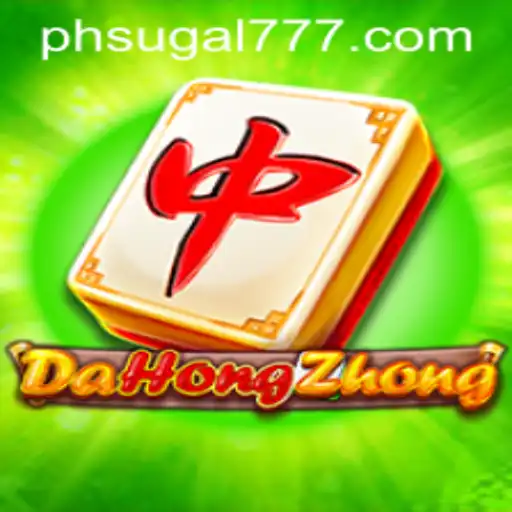
Discover the engaging game of DaHongZhong, its exciting rules, and how it intersects with current events in the gaming industry.
DaHongZhong: An Intriguing Dive into This Unique Game
Introduction
In the ever-expanding universe of board and card games, DaHongZhong stands out as a distinctive experience, blending traditional gameplay elements with modern innovations. With its roots deeply embedded in Asian culture, this game has captured the interest of gaming enthusiasts around the world. The game name translates to 'Big Red Middle,' which plays a key role in its thematic and strategic components.
As an SEO-friendly and engaging game, DaHongZhong presents a fascinating playstyle that combines strategy, luck, and a touch of cultural flair. This article aims to shed light on every aspect of the game, from its origins and rules to its place in today's gaming landscape. A special focus is placed on the keyword SUGAL777, offering a unique entry point into the discussion of DaHongZhong.
Understanding DaHongZhong
The game of DaHongZhong has roots in the traditional Chinese Mahjong, a game that is widely respected for its strategic depth and cultural resonance. Unlike traditional Mahjong, DaHongZhong simplifies certain aspects while introducing unique elements that add layers of complexity and fun. The name itself, 'Big Red Middle,' is significant as it reflects one of the game's most important rule sets.
Players are drawn to DaHongZhong due to its unpredictability and the complex decision-making it requires. The objective is to carefully manage tiles to form specific winning combinations. While adhering to its traditional roots, the game also embraces modern enhancements that make it uniquely relevant in today’s digital age.
How DaHongZhong is Played
DaHongZhong is typically played with tiles, and each participant works towards completing a winning hand. The game can be played by four players, each taking turns to draw and discard tiles in pursuit of the highest-scoring hand. The gameplay revolves around the formation of sets, similar to the principles of Mahjong, yet tailored specifically to DaHongZhong’s unique rule structure.
The Tiles: At the core, DaHongZhong consists of 144 tiles, categorized into different suits: bamboo, characters, and dots, alongside dragon and wind tiles. The ‘Red Middle’ dragon tile plays a crucial role in garnering additional points, adding a strategic layer of excitement to the game.
Gameplay: The game commences with each player receiving a hand of 13 tiles. The current dealer, chosen randomly, draws the 14th tile. Players can opt to either declare a winning hand if possible or discard a tile. The challenge lies in completing a hand that meets specific winning criteria, which often results in strategic exchanges and intricate planning.
Rules of DaHongZhong
The rules of DaHongZhong reflect a balance between complexity and engagement, challenging players to develop strategic foresight. Recognizing these rules is vital for mastering this intriguing game:
- Winning Hands: Players aim to complete a hand that contains four sets and a pair. Sets may be a triplet (three identical tiles) or a sequence (a succession of three tiles in a suit). The inclusion of the Red Middle dragon tile can signify additional bonuses.
- Scoring: Each hand’s score depends on the specific sets formed and the presence of bonus tiles, such as the Red Middle dragon. Strategic use of these tiles can significantly influence the game's outcome.
- Special Combinations: Beyond the standard winning hand, players can strive to form special combinations that score highly, such as all one suit or four kong. Mastering these combinations often requires strategic depth and an understanding of opponents’ gameplay.
DaHongZhong in the Context of Recent Events
The game of DaHongZhong has evolved significantly with the rise of digital platforms, exemplifying its adaptability and enduring appeal. In recent years, gaming platforms have embraced this game's digital version, allowing it to reach a broader audience. As players worldwide become acquainted with DaHongZhong, it has matured into a social activity that fosters community and competitive spirit.
The digital era has also seen the introduction of tournaments focused on DaHongZhong, where players converge to showcase their skills. These events celebrate the game’s intricate strategy and have become a fixture in the global gaming calendar, drawing participants from all corners of the globe. They not only honor the traditional roots of DaHongZhong but push the boundaries of its gameplay dynamics.
The keyword SUGAL777 emerges prominently within these tournament circles and community discussions. Remarkably, it represents a cluster of players adept at the game, wielding strategic prowess and a deep understanding of DaHongZhong’s nuances. Their participation authenticates the game’s vibrant and living tradition while embracing new technological avenues.
The Modern Appeal of DaHongZhong
DaHongZhong is increasingly seen as a bridge between cultures due to its blend of classic and contemporary gameplay. The game serves as an engaging avenue for cross-cultural communication, attracting diverse demographics. The balance between simple rules and deep strategy advocates its status as a universal game, inviting novices and veterans alike to explore its richness and make connections.
Gaming developers have continually innovated on DaHongZhong’s design, incorporating stunning visuals and immersive storytelling. These enhancements make it appealing not only to seasoned players but also to a younger generation eager for vibrant and engaging digital experiences.


0 Comments